By Ryan Dezember
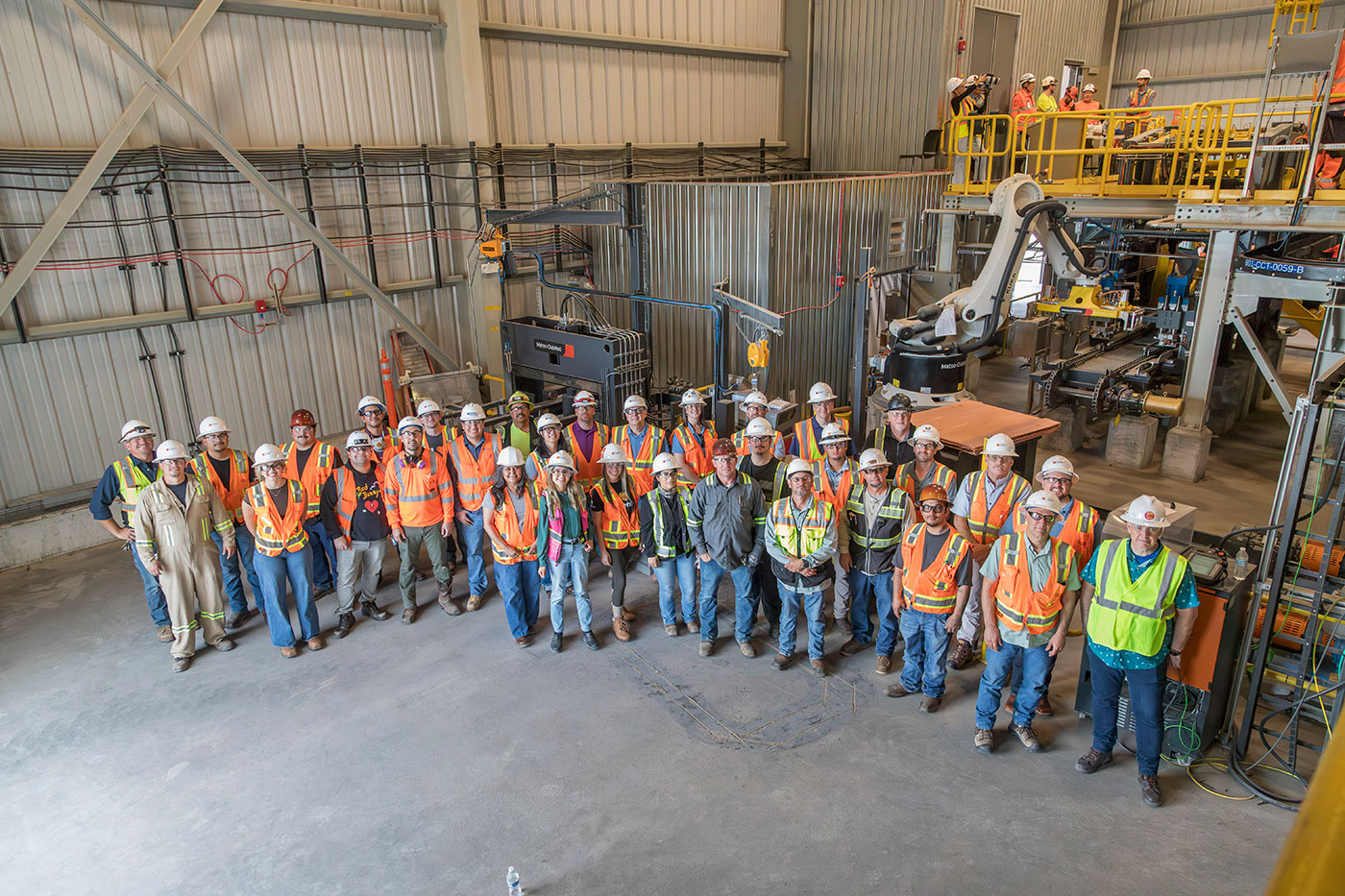
A new copper project in Arizona that made its first metal this month is ramping up and is expected to make its owner the country’s third largest producer of refined copper by year-end.
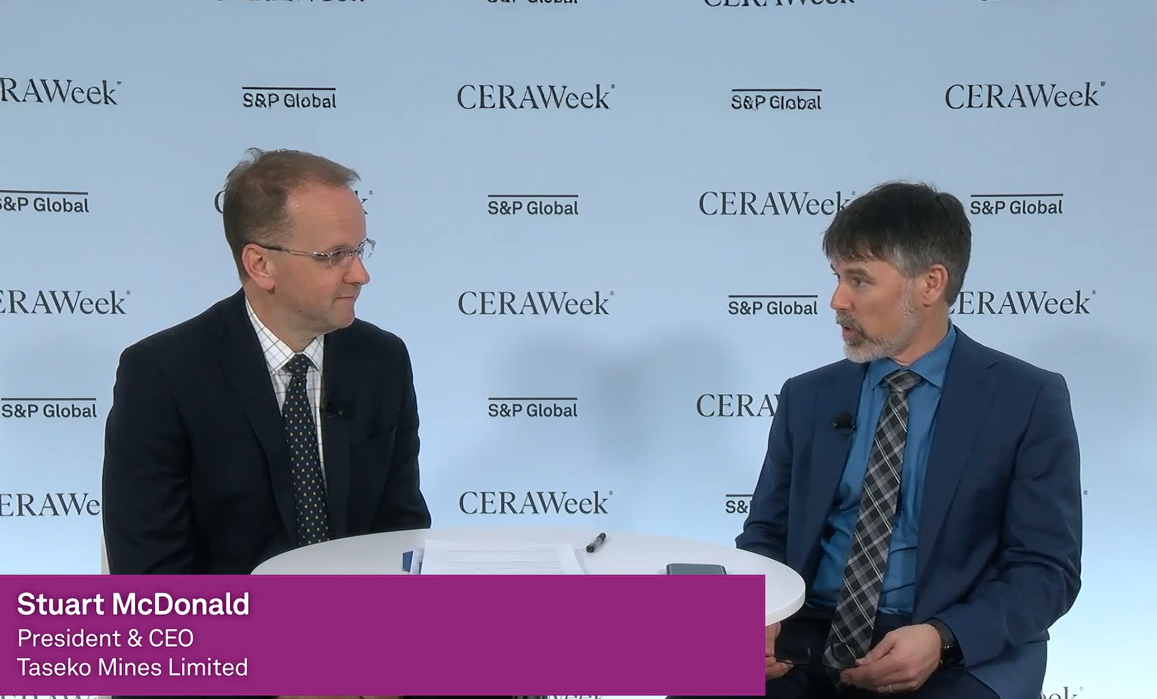
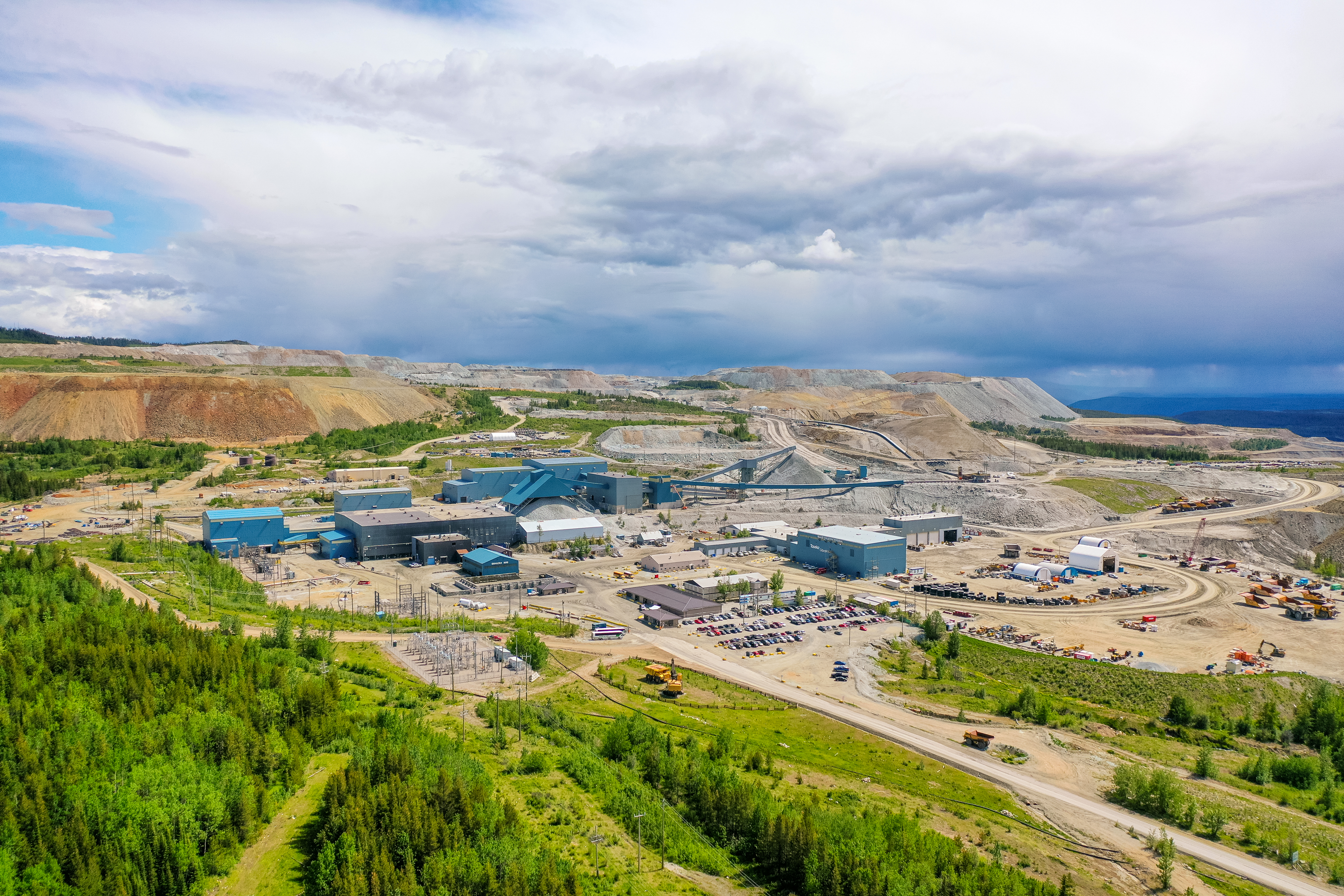
Taseko Mines’ Florence project is targeting annual output of about 85 million pounds of copper cathodes, Chief Executive Stuart McDonald said on the sidelines of S&P Global’s CERAWeek conference in Houston. While that's just a sliver of growing U.S. demand for the metal that is essential to all things electric, Florence is part of a wave of projects in which miners are deploying unconventional methods to produce more copper from Arizona’s abundant low-grade ores.
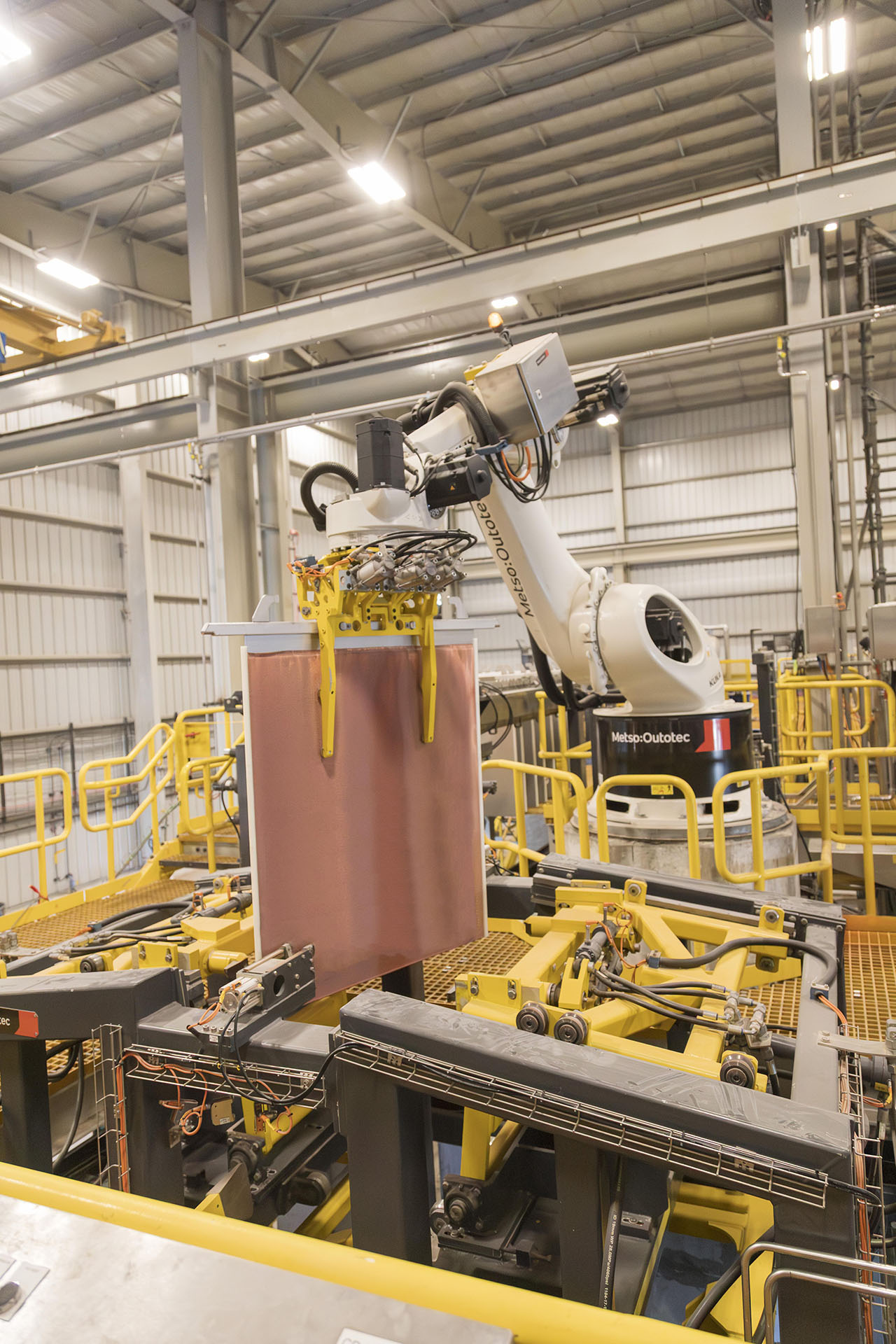
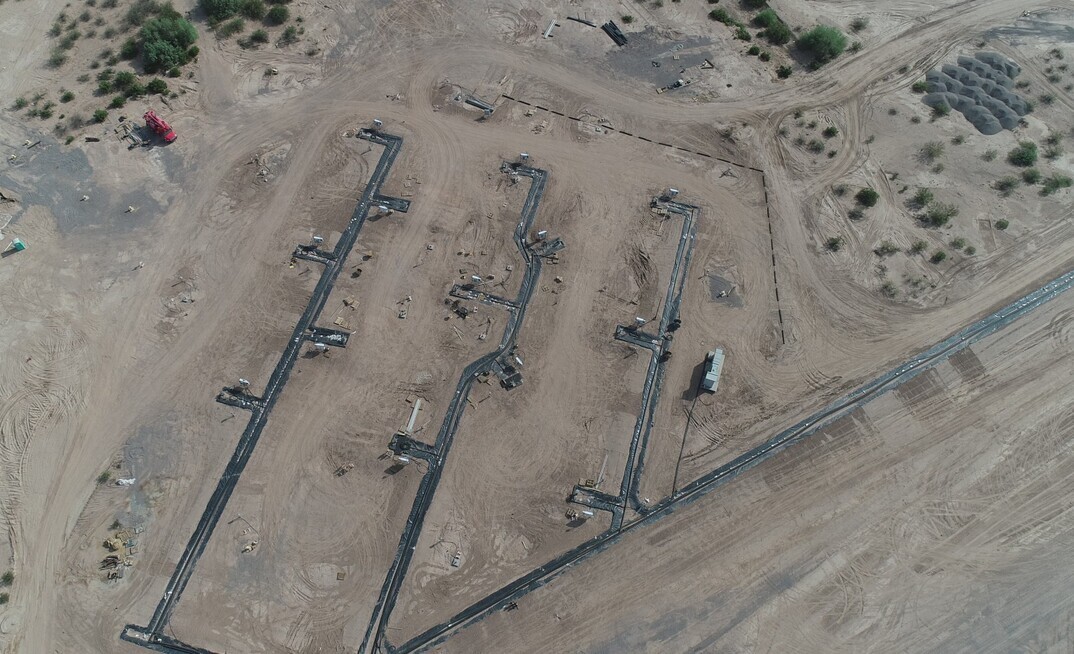
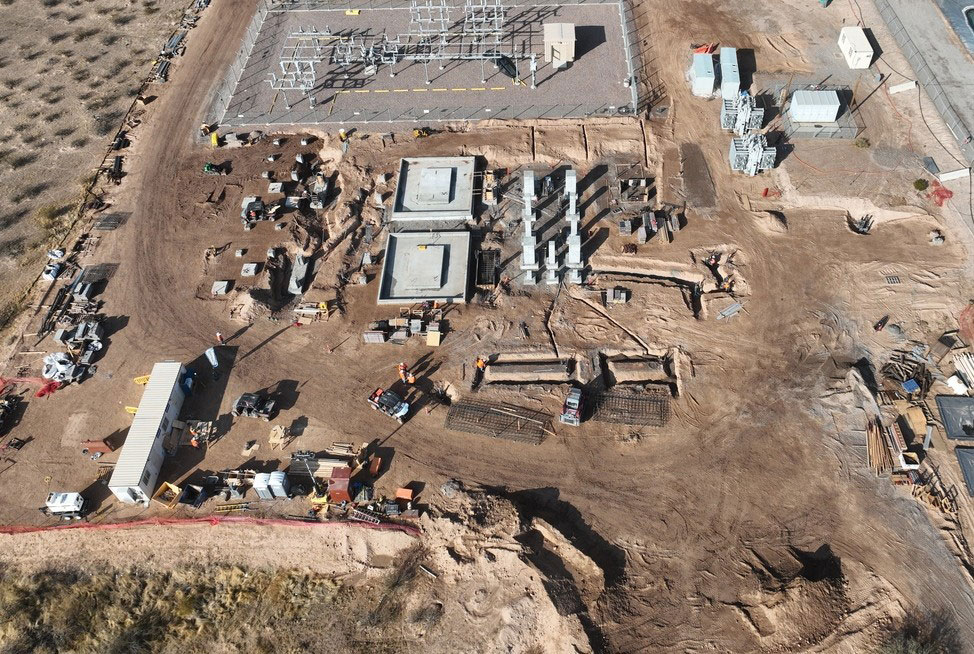
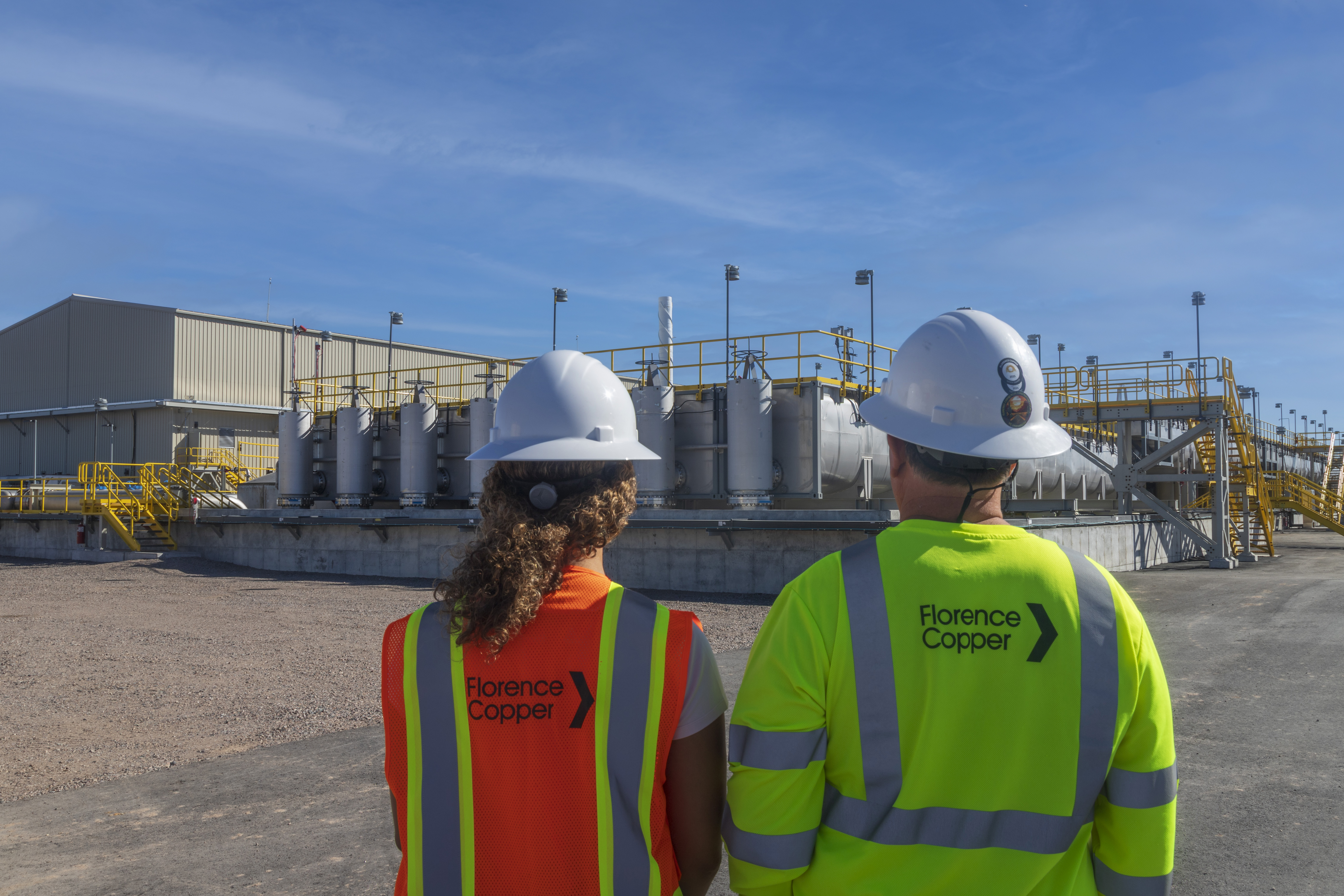
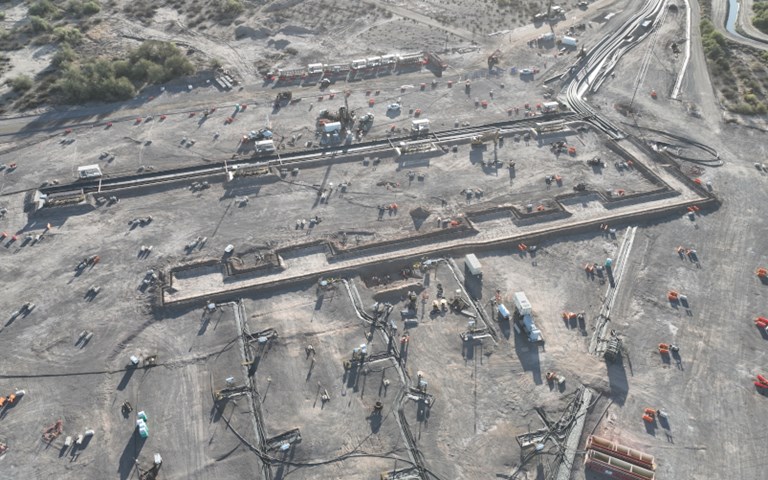
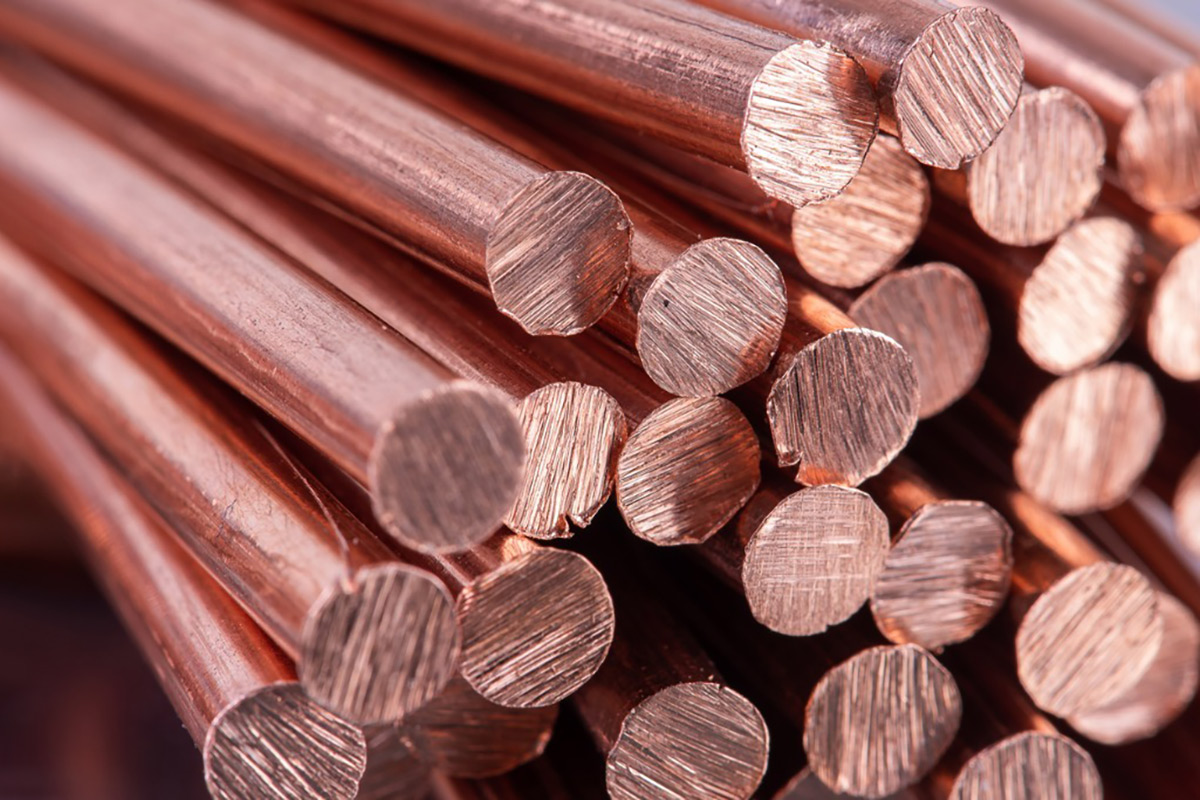
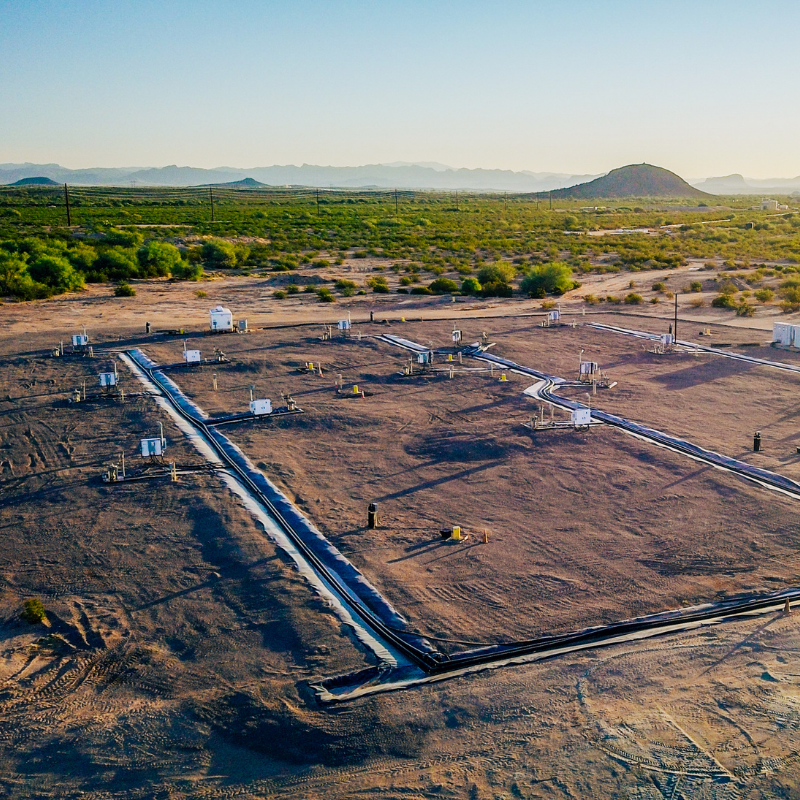
Florence utilizes in-situ recovery methods that are more common in uranium mining and involve pumping acid deep beneath the surface to separate copper from the rock, rather than bringing ore to the surface for processing. The copper solution is then piped to a facility on site where it is plated as cathodes that are ready to use by makers of electrical wire and other products.
That’s a big advantage over traditional mines, which produce concentrates that must be processed by smelters. Though the U.S. has abundant copper deposits, processing it is problematic. There are only two smelters operating in the U.S.
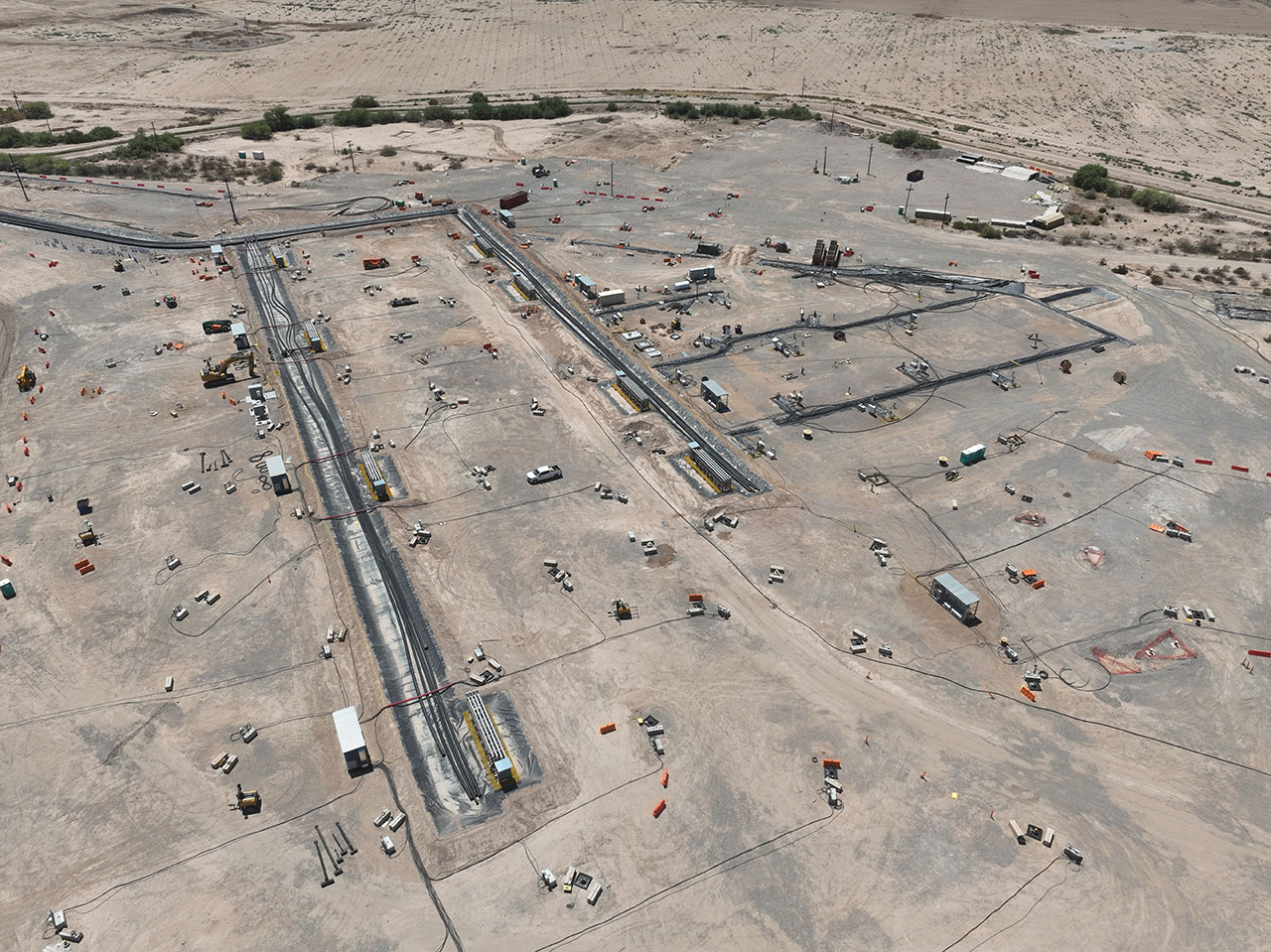
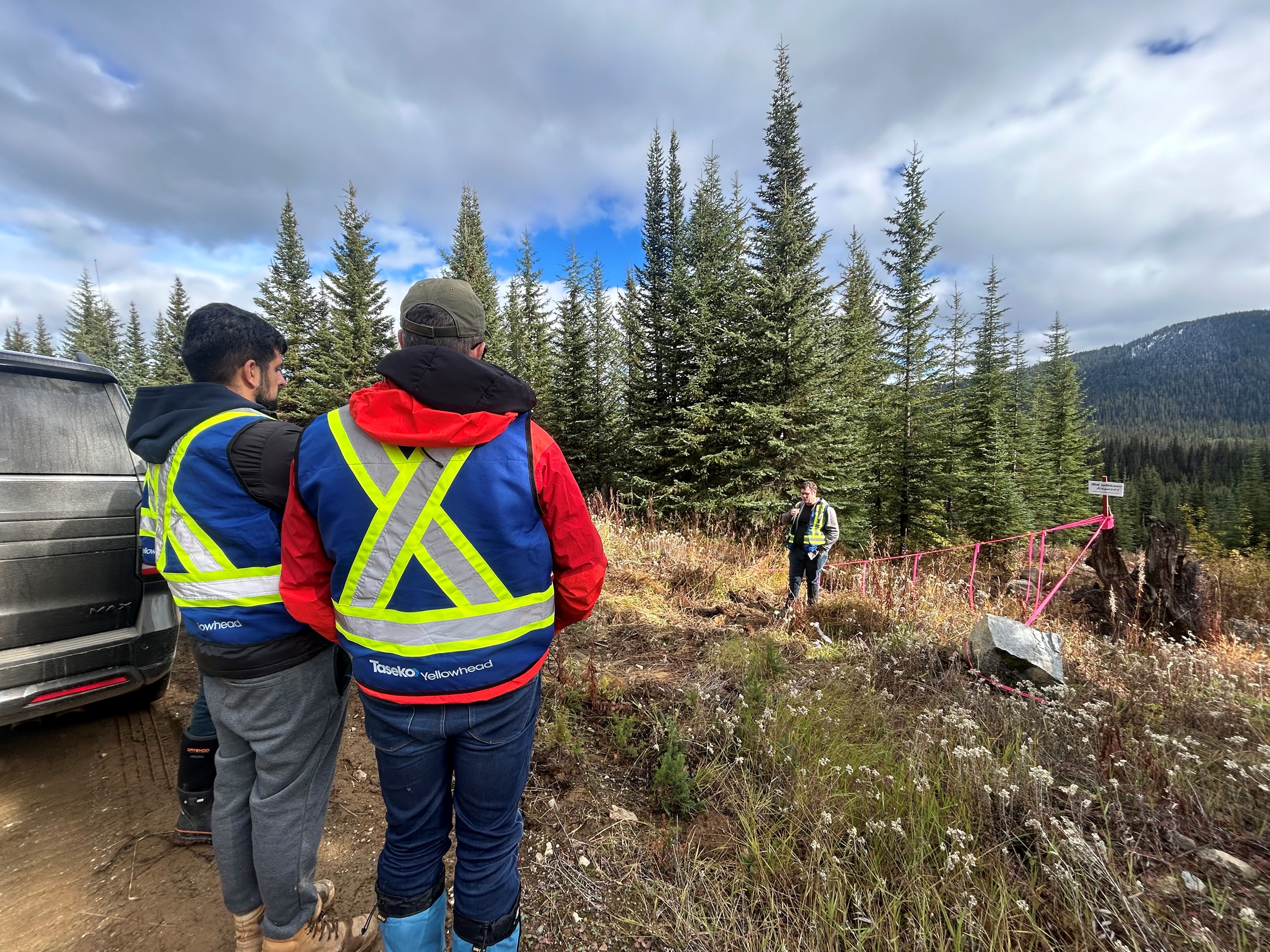
Taseko Mines' Florence project extracts copper without a pit or tunnels.
China built up its copper processing capacity to wedge into the global supply chain in an era when environmental regulations and other hurdles have made it nearly impossible to build smelters in the West.
Lately, China’s more than 60 smelters have been paying miners to ship concentrate to its shores, pressuring Western smelters that need to charge a processing fee to remain economic. It’s too good a deal to pass up for many miners, including Taseko, which ships concentrate from its mine in British Columbia, McDonald said.
Concerns about China’s grip on copper processing has been a major topic at CERAWeek, which gathers government officials and energy and mining executives.
“It's an area where governments need to step in,” McDonald said.